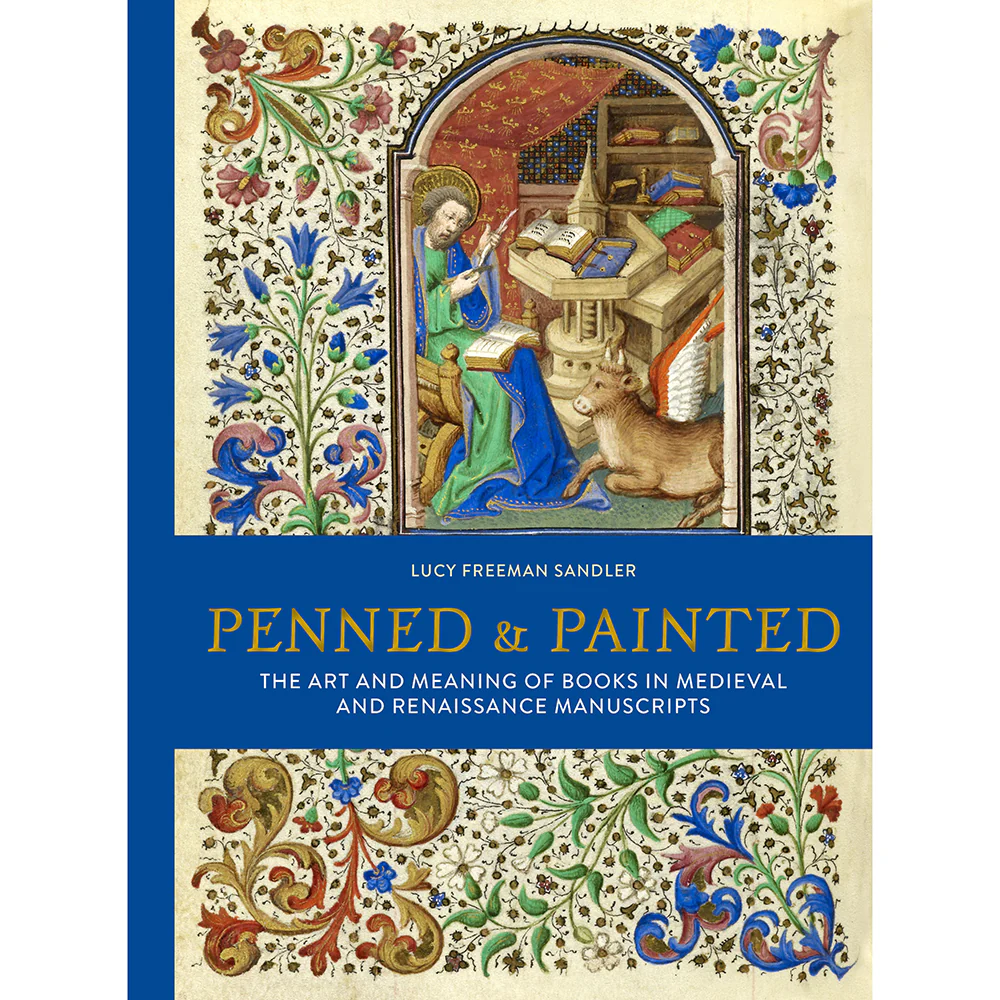
The Philosophy of Tattoos
‘The Philosophy of Tattoos’ explores tattooing as an innate human impulse throughout history, following its suppression and revival in cultures around the world. A bold and nuanced story of colonial oppression, social deviance and tattooing in the age of social media, it features original tattoo designs from London-based tattoo artist Luca Ortis, as well as illustration from the British library collections.
‘History, it seems, is seldom written by the tattooed.’
In this impressively broad yet personal account, John Miller explores tattooing as a unique expression of individual, cultural and national identity.
As the inherent shock factor of tattooing in the west decreases, tattoos are becoming more extensive, public and challenging in response, prompting an upsurge in ‘extreme’ tattooing. In an age of aesthetic obsession, the tattoo – once the ultimate symbol of deviance – is now as commodifiable as anything else.
Resisting this apparent loss of the ‘magic’ of tattooing, ‘The Philosophy of Tattoos’ returns to its origins in cultural locations as disparate as Polynesia, the Amazon and the Arctic to interrogate the innate human desire to mark the skin. It asks what the history of tattooing might tell us about that fundamental question: what does it mean to be human?
Publication date: 25/03/21
Product Information
Product Information
Shipping & Returns
Shipping & Returns

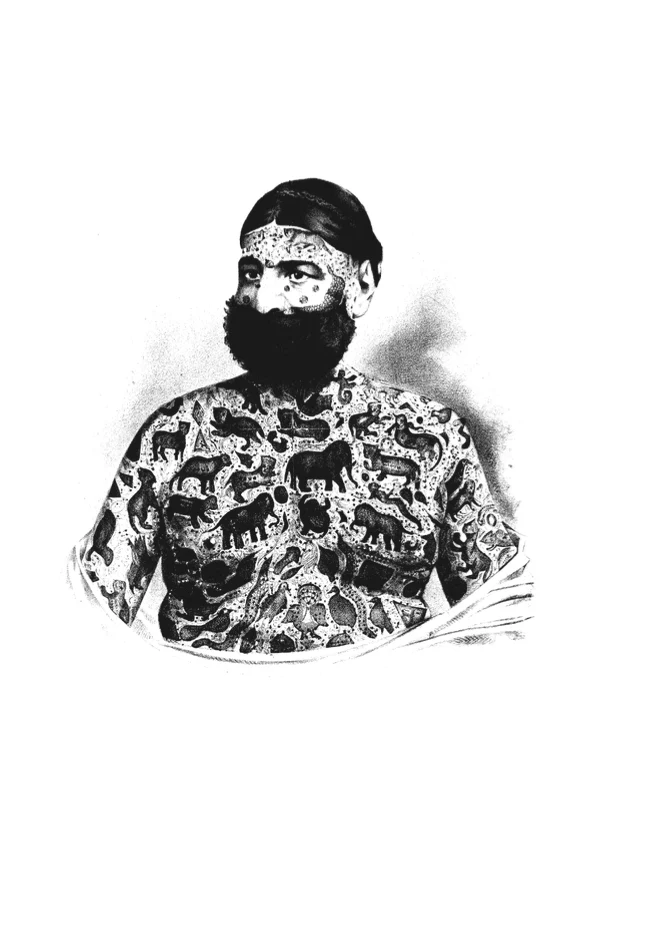
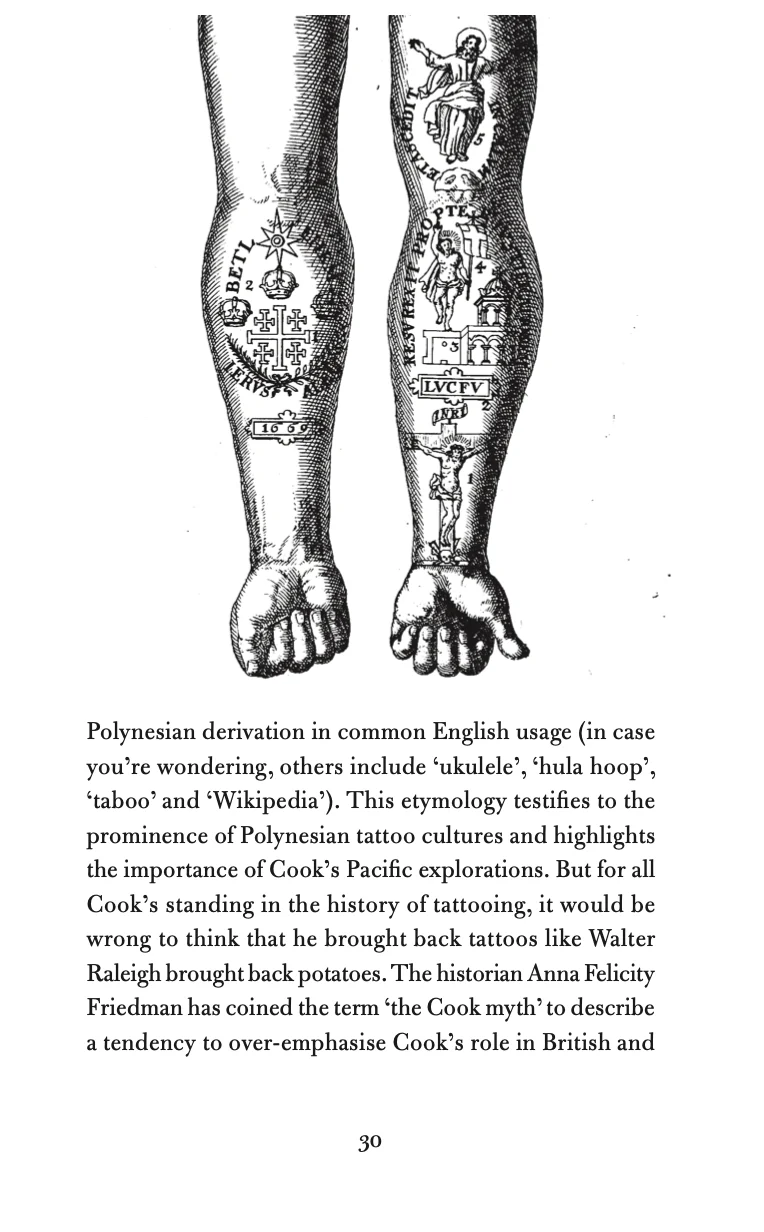
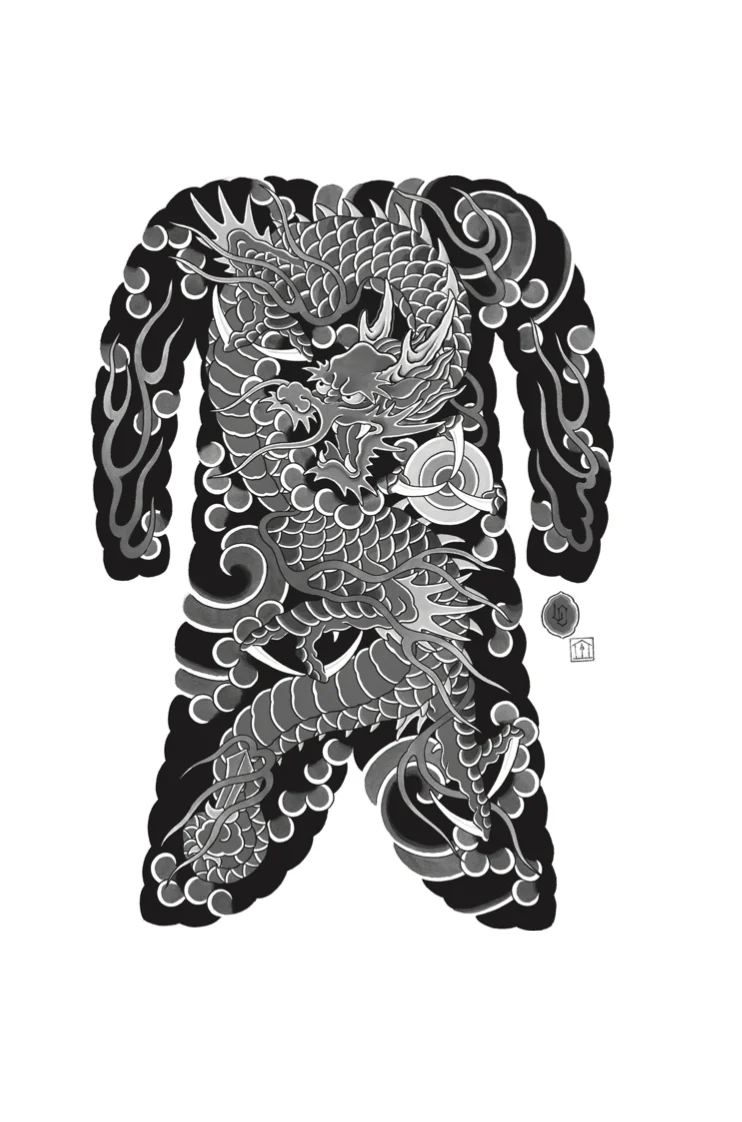
The Philosophy of Tattoos
The Philosophy of Tattoos
‘The Philosophy of Tattoos’ explores tattooing as an innate human impulse throughout history, following its suppression and revival in cultures around the world. A bold and nuanced story of colonial oppression, social deviance and tattooing in the age of social media, it features original tattoo designs from London-based tattoo artist Luca Ortis, as well as illustration from the British library collections.
‘History, it seems, is seldom written by the tattooed.’
In this impressively broad yet personal account, John Miller explores tattooing as a unique expression of individual, cultural and national identity.
As the inherent shock factor of tattooing in the west decreases, tattoos are becoming more extensive, public and challenging in response, prompting an upsurge in ‘extreme’ tattooing. In an age of aesthetic obsession, the tattoo – once the ultimate symbol of deviance – is now as commodifiable as anything else.
Resisting this apparent loss of the ‘magic’ of tattooing, ‘The Philosophy of Tattoos’ returns to its origins in cultural locations as disparate as Polynesia, the Amazon and the Arctic to interrogate the innate human desire to mark the skin. It asks what the history of tattooing might tell us about that fundamental question: what does it mean to be human?
Publication date: 25/03/21
Product Information
Product Information
Shipping & Returns
Shipping & Returns
Description
‘The Philosophy of Tattoos’ explores tattooing as an innate human impulse throughout history, following its suppression and revival in cultures around the world. A bold and nuanced story of colonial oppression, social deviance and tattooing in the age of social media, it features original tattoo designs from London-based tattoo artist Luca Ortis, as well as illustration from the British library collections.
‘History, it seems, is seldom written by the tattooed.’
In this impressively broad yet personal account, John Miller explores tattooing as a unique expression of individual, cultural and national identity.
As the inherent shock factor of tattooing in the west decreases, tattoos are becoming more extensive, public and challenging in response, prompting an upsurge in ‘extreme’ tattooing. In an age of aesthetic obsession, the tattoo – once the ultimate symbol of deviance – is now as commodifiable as anything else.
Resisting this apparent loss of the ‘magic’ of tattooing, ‘The Philosophy of Tattoos’ returns to its origins in cultural locations as disparate as Polynesia, the Amazon and the Arctic to interrogate the innate human desire to mark the skin. It asks what the history of tattooing might tell us about that fundamental question: what does it mean to be human?
Publication date: 25/03/21